
Till and workflow requirements
This output is defined in the written smart terminals and pos scope with its owner, dependencies, review point and acceptance criteria.
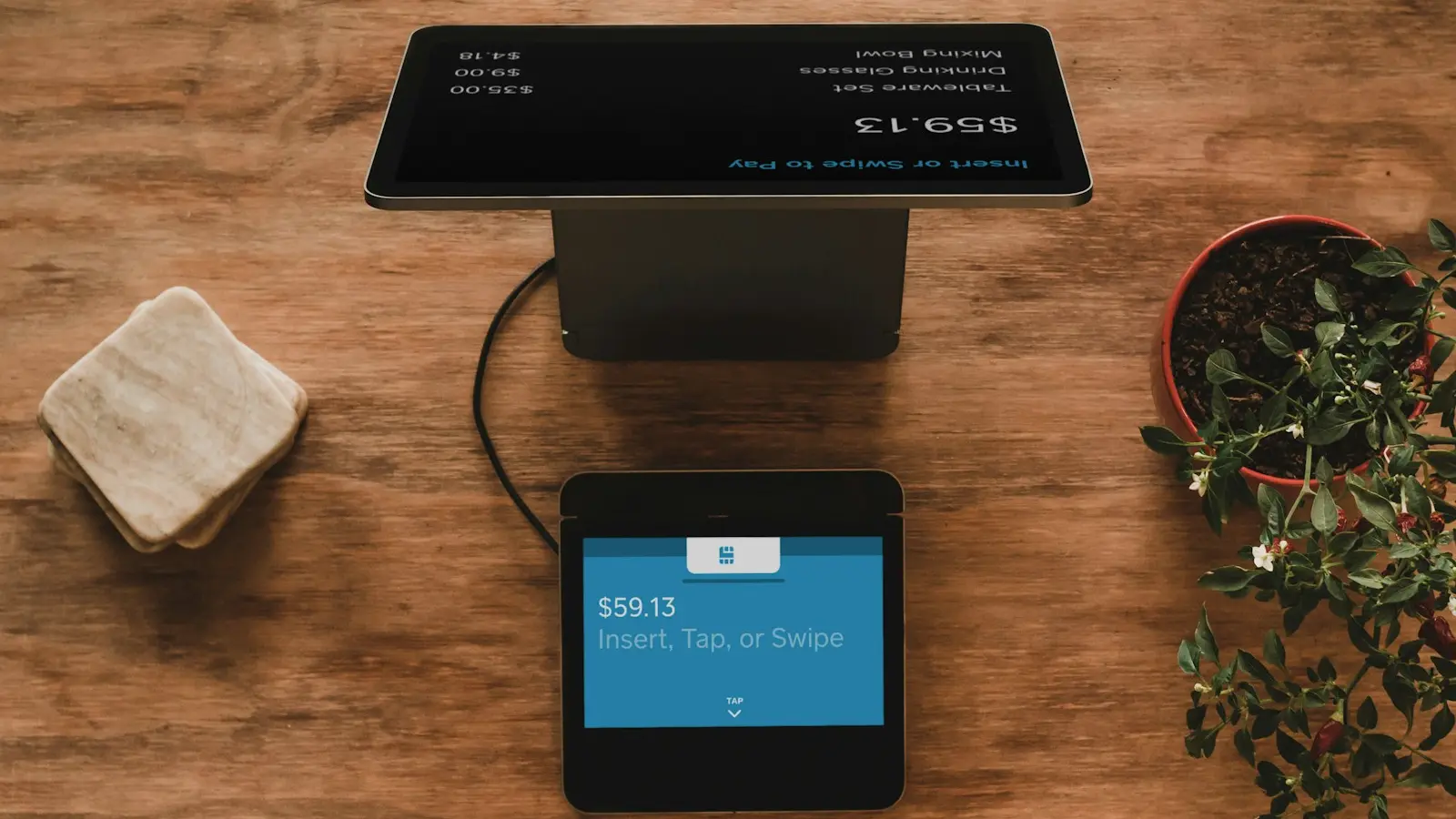
Combine checkout, products, staff access and reporting through a suitable point-of-sale setup.
The right payment setup depends on where customers pay, transaction patterns, existing systems, operational controls and the authorised provider.
Combine checkout, products, staff access and reporting through a suitable point-of-sale setup. We begin with the present situation, the people affected and the evidence required. That keeps the work proportionate and avoids committing to a platform, filing route or provider before the requirement is understood.
Payment products, pricing, settlement, eligibility and regulated processing depend on the relevant authorised provider and its terms. Master Nest confirms the provider relationship and responsibilities before an application proceeds.
Every output is tied to an owner, dependency, review point and acceptance condition in the written scope.
This output is defined in the written smart terminals and pos scope with its owner, dependencies, review point and acceptance criteria.
Configuration or build work is completed against agreed requirements, review points and acceptance criteria.
Connections, data movement, failure handling and ownership are documented before implementation or provider setup.
The information, assumptions, review frequency and intended decision are defined so the output remains useful.
The right route depends on where the business is now, not on a pre-selected product.
Visible review points keep commercial decisions, specialist responsibilities and delivery evidence clear.
Clarify the present situation, users, risks, deadlines and desired result.
Review the systems, records, evidence and dependencies that affect the work.
Confirm outputs, exclusions, ownership, timing, fees and acceptance points.
Complete the agreed work through visible stages and decision gates.
Document the result, responsibilities, controls and next actions.
These items help us identify the right first step.
Explain the business problem once. We will route the enquiry across the relevant Master Nest divisions.
Start with the problem →Explore adjacent services without losing the wider business context.
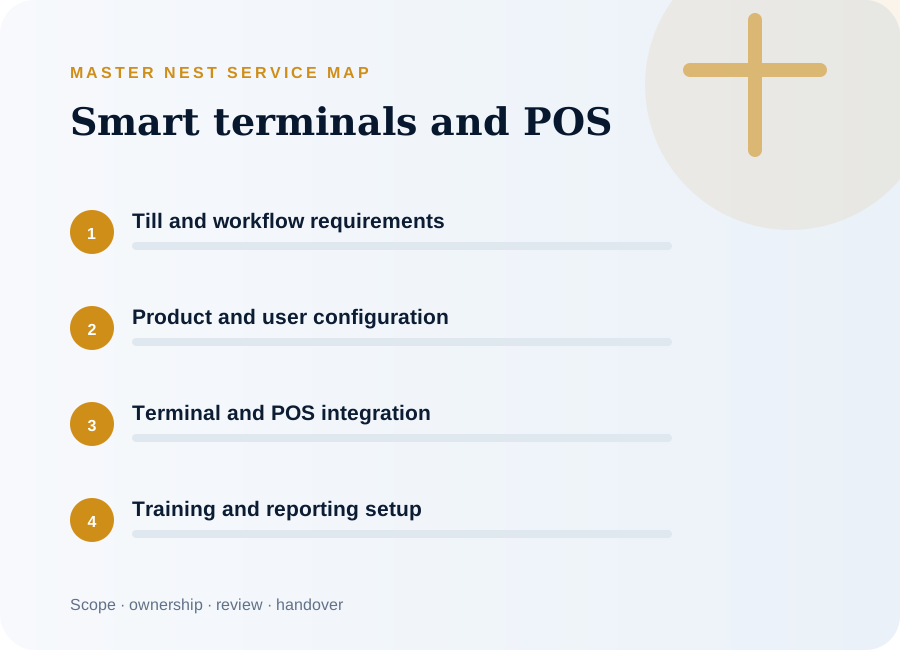
The scope may cover till and workflow requirements, product and user configuration, terminal and pos integration, and training and reporting setup. The final combination depends on your current position and required outcome.
We review complexity, systems, records, dependencies and support required, then provide a written proposal before paid work begins.
Timing is confirmed after discovery because access, data quality, provider approvals, statutory deadlines and review availability can materially affect delivery.
Yes. We first establish access, responsibilities and decision rights so existing suppliers, software and professional advisers can be coordinated safely.
How and where customers currently pay, approximate transaction volume and average value, and any immovable deadline or commercial constraint.
Yes. Where the requirement crosses technology, finance or payments, the dependencies and responsible parties are made explicit in the scope.
Tell us what needs to improve, what you have tried and what a useful result would look like.